The Rise of Kompa
Kompa music, a vibrant genre that originated in Haiti during the 1950s, has undergone a remarkable evolution, transforming from local sounds to a global phenomenon. The inception of Kompa can be traced back to the influence of various musical styles, such as merengue and jazz, which intermingled to create a unique and danceable rhythm. The genre was pioneered by Haitian musician Nemours Jean-Baptiste, who played a pivotal role in defining Kompa’s distinct characteristics, including its syncopated beats and lively melodies.
Throughout the decades, Kompa has experienced significant shifts in its style and composition. The initial form of the genre was largely instrumental and served as a backdrop for Haitian folk dances. As the 1960s and 1970s rolled in, the genre saw an influx of lyrical content, addressing societal issues and personal narratives prevalent within Haitian culture. This lyrical evolution marked a maturation of Kompa, allowing it to resonate deeply with listeners both locally and abroad.
As the world became increasingly interconnected, Kompa began to absorb influences from different musical traditions. Throughout the 1980s and 1990s, elements of reggae, zouk, and even American pop were integrated into the genre, showcasing its adaptability and appeal. Artists and bands like Tabou Combo and Carimi propelled Kompa to international stages, performing in various countries and gaining a loyal following.
Today, Kompa continues to thrive, evolving further and incorporating contemporary sounds while maintaining its rich cultural roots. It serves as an essential part of Haiti’s musical identity while also influencing and inspiring artists globally. The genre’s captivating rhythm and melodic structure ensure that Kompa remains relevant in the ever-growing landscape of world music, reflecting both historical depth and modern innovation.
Understanding Kompa Roots
Kompa, a musical genre originating from Haiti, embodies a rich tapestry of cultural influences and historical narratives. The roots of Kompa can be traced back to the early 20th century, evolving from the Haitian folk music genres like Vodou, which includes spiritual elements deeply tied to Haitian culture. As time progressed, Kompa began to take shape through the fusion of various musical styles, particularly influenced by jazz and African rhythms. This blend resulted in a distinct sound characterized by its vibrant melodies and innovative rhythms.
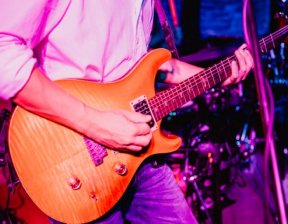
Instrumentation plays a crucial role in defining Kompa. The genre typically features a combination of traditional Haitian instruments, such as the guitar, drums, and horns, alongside modern electronic synthesizers that bring a fresh perspective to its sound. The incorporation of rhythm section instruments, particularly the drum kit, creates a backbone that drives the danceable nature of Kompa music, making it popular at celebrations and social gatherings. The emphasis on rhythm, with a unique 2-4 beat, gives Kompa its signature groove that is both infectious and uplifting.
Over the decades, several key artists have significantly contributed to the evolution of Kompa. Notable figures include Compas Direct and Nemours Jean-Baptiste, who were instrumental in popularizing the genre in the mid-20th century. Their albums remain iconic, continually influencing new generations of Kompa musicians. The historical context surrounding Kanaval (Carnival) celebrations in Haiti also allowed Kompa to flourish, solidifying its place as a cultural emblem. Today, Kompa transcends borders, resonating with diverse audiences globally, making it a vibrant symbol of Haitian heritage that showcases the artistry and resilience of its people.
Pronunciation of Kompa
When exploring the vibrant genre of Kompa, it is essential to understand the correct pronunciation of the term itself. The word ‘Kompa,’ referring to the popular Haitian music style, is pronounced as ‘kom-pah,’ where the emphasis is placed on the second syllable. This phonetic breakdown is crucial in articulating the term authentically, allowing listeners and enthusiasts alike to connect more meaningfully with the music and its cultural roots.
There are some common misconceptions surrounding the pronunciation of ‘Kompa.’ Some individuals mistakenly pronounce it as ‘kompa’ (with equal stress on both syllables) or ‘kom-pah’ (with a hard ‘p’). These variations may arise from regional differences or a lack of exposure to the correct articulation. However, proper pronunciation is vital not only for accurate communication but also for expressing respect towards the culture that birthed this musical genre.
In addition to the correct pronunciation, it is also important to appreciate the diverse influences that have shaped Kompa over the years. Originating in Haiti in the mid-20th century, it has been inspired by various musical styles such as Merengue, Jazz, and even Pop, which have all left their mark on its evolution. Understanding the roots of Kompa goes beyond the music; it extends into the language and the nuances that accompany its pronunciation. This fosters a greater appreciation for the art form and its creators, who continue to vibrantly share their culture with the world.
Ultimately, mastering the pronunciation of ‘Kompa’ paves the way for a richer appreciation of the genre and its associated cultural expressions. Engaging with the music and its emotional depth becomes significantly more impactful when individuals are equipped with the correct linguistic tools to honor this important aspect of Haitian heritage.
Kompa’s Influence in Africa
Kompa music, with its origins rooted in Haiti, has successfully transcended its geographic confines to make a significant impact across the African continent. The rhythmic sounds and unique melodies of Kompa have resonated with many African societies, resulting in its celebration and adoption in various countries. This intercontinental exchange has created a vibrant tapestry of musical styles that blend traditional African themes with the distinct Kompa sound.
Countries like Senegal, for instance, have seen a fusion of Kompa with local genres such as mbalax. This collaboration has produced a rich musical experience that honors both Kompa and Senegalese cultural elements. Artists such as Youssou N’Dour, who have explored diverse genres, often incorporate hints of Kompa in their songs, showcasing the versatility and appeal of this genre. Similarly, in Ivory Coast, the popularity of Kompa has contributed to the local music scene, leading to innovative performances that integrate Haitian rhythms with Ivorian sounds.
Moreover, events like music festivals and cultural gatherings have played a pivotal role in popularizing Kompa across the continent. These occasions allow for collaboration between local musicians and Kompa artists, fostering a dynamic exchange of musical ideas and practices. The resulting synergy encourages the creation of new music that reflects both African traditions and the distinctiveness of Kompa. Countries such as Cameroon and Ghana have also embraced this musical genre, engaging in cross-cultural partnerships that amplify the influence of Kompa.
As Kompa continues to evolve within the African context, its impact is evident in both underground scenes and mainstream music. The preservation of traditional African musical instruments alongside the adoption of modern technology in Kompa performances contributes to an ever-growing audience eager for authentic and innovative sounds. This unique blend signifies not only Kompa’s influence but also its role in the musical narrative of Africa.
Kenya: East Africa’s Biggest Kompa Hub
Kenya has emerged as a vibrant center for Kompa music in East Africa, showcasing a unique fusion of traditional sounds and contemporary influences. This growth is notable in urban areas such as Nairobi and Mombasa, where the Kompa scene has attracted a diverse audience. Local artists are increasingly embracing the genre, weaving in elements of Kenyan cultural music, thus creating a distinctive style that resonates with both local and international fans.
One of the key drivers of this flourishing Kompa scene is the increasing number of events and festivals dedicated to showcasing Kompa music. Throughout the year, venues across the country host performances that highlight both established and emerging artists. These events not only provide a platform for local talents but also invite international musicians, facilitating cultural exchange and collaboration. In recent years, festivals dedicated to Caribbean and African beats have further propelled the popularity of Kompa, encouraging audiences to engage with this rhythmic genre.
The rise of local artists is another significant factor contributing to Kenya’s status as a Kompa hub. Musicians such as Juma Tutu and other noted performers have begun to carve out their space within the Kompa genre, drawing inspiration from their rich cultural heritage. Their music often features fusion elements incorporating traditional Kenyan instruments and melodies, which amplify the genre’s appeal. Moreover, these artists utilize digital platforms to reach wider audiences, expanding the influence of Kompa beyond Kenyan borders.
The integration of Kompa into the Kenyan music scene demonstrates how globalization influences local cultures. As Kenyan artists continue to experiment and innovate within the genre, they not only preserve its roots but also expand its reach, ensuring that Kompa remains a dynamic and evolving musical form in East Africa.
The Role of Social Media in Promoting Kompa
In recent years, social media has emerged as a critical factor in the dissemination and evolution of various musical genres, including Kompa. This Haitian musical style, with its rich cultural roots, has found new life and global reach through platforms such as YouTube, Instagram, and TikTok. These digital spaces not only allow artists to showcase their work but also facilitate direct engagement with fans, fostering a community around the genre.
YouTube, for instance, serves as an extensive library of Kompa music videos, tutorials, and live performances. Artists can upload their songs and connect with a diverse audience, breaking geographic barriers that previously hindered their reach. The platform’s algorithm also enhances discoverability; as audiences engage with Kompa content, it prompts the recommendation of similar styles, thus broadening the genre’s footprint. Furthermore, viral trends on platforms such as TikTok, where short clips of music can evoke creative dances or challenges, have propelled Kompa into mainstream consciousness, allowing younger generations to experience the genre in innovative ways.
Instagram plays a significant role as well, offering an engaging environment for artists to share behind-the-scenes content, album releases, and collaborations. The visual nature of Instagram allows musicians to express the vibrant culture that surrounds Kompa through images and videos, thereby attracting both dedicated fans and new listeners. Artists often utilize Instagram Stories and Reels to interact with their audience in real-time, collecting feedback and building a loyal fanbase.
In addition to promoting existing artists, social media platforms provide a venue for emerging talents to experiment with and innovate within the Kompa genre. Aspiring musicians can share their unique interpretations and creations, contributing to the evolution of Kompa while also keeping its essence alive. Thus, social media not only plays a pivotal role in promoting the genre but also in ensuring its longevity and adaptability in a rapidly changing musical landscape.
Kompa and its Global Audience
Kompa music, a genre that emanates from the vibrant culture of Haiti, has transcended its local roots to capture the hearts of a global audience. This evolution has been marked by a notable increase in international interest, largely facilitated by the rise of digital platforms and global music festivals. These festivals serve as a primary conduit for promoting Kompa; they feature ensembles from Haiti alongside a diverse array of international artists, thereby broadening the genre’s reach. Events such as the Caribbean Carnival and various world music festivals celebrate not only the rhythms of Kompa but also its rich cultural heritage, helping to cultivate a broader appreciation for its unique sound globally.
Collaboration with artists from various musical backgrounds is another vital aspect of Kompa’s global expansion. Renowned artists have begun to incorporate Kompa rhythms and melodies into their own works, resulting in a fusion that introduces Kompa to new audiences. This collaborative spirit not only showcases the versatility and appeal of Kompa music but also enriches the global music landscape, demonstrating how cultural intermingling can lead to innovative musical expressions. Artists from genres such as reggae, hip-hop, and even electronic music have experimented with Kompa, fostering an environment of creativity and mutual respect.
Moreover, the rise of streaming services allows listeners around the world to discover Kompa with just a click. Playlists dedicated to world music now include Kompa tracks, exposing millions to its infectious beats. This easy accessibility enables not just Haitians in the diaspora to reconnect with their roots but also introduces new fans to this captivating genre. As Kompa continues to influence and inspire, its global audience will only grow larger, affirming its place within the world music scene and ensuring its legacy for future generations.
The Future of Kompa Music
The future of Kompa music holds significant promise, with a myriad of factors poised to influence its evolution in the coming years. As a genre deeply rooted in the culture of Haiti, Kompa has continually adapted to incorporate elements from various musical styles while maintaining its unique identity. In an era marked by rapid globalization and technological advancements, there are several potential trends that may shape the sound of Kompa and its reach worldwide.
One of the foremost influences on the future of Kompa is technology. Digital platforms have changed the landscape of music distribution, allowing Kompa artists to reach a broader audience without the need for traditional record labels. Social media, streaming services, and music-sharing apps enable artists to share their work with an international audience, creating a more diverse and dynamic listener base. This increased accessibility allows for collaborations with musicians from different genres and cultures, which can infuse fresh influences into traditional Kompa sounds.
Globalization also plays a pivotal role in shaping the future of Kompa music. As artists and fans connect across borders, cultural exchange can lead to innovative combinations of styles, resulting in a new wave of Kompa that resonates with both local and global audiences. The rise of multiculturalism in music is evident as new artists emerge, blending Kompa with various influences such as reggaeton, hip-hop, and electronic music. These hybrids can introduce Kompa to new genres, revitalizing interest in its core traditions while attracting younger generations of listeners.
Lastly, the emergence of new artists, fueled by these technological advancements and cultural exchanges, may lead to a renaissance in Kompa music. The innovative approaches of budding musicians carrying the torch of Kompa can pave the way for its continued evolution and help preserve its legacy for future generations while ensuring its resonance in contemporary music scenes worldwide.
Conclusion: Celebrating the Kompa Culture
Throughout this examination of Kompa music, we have explored its rich history, pathways of evolution, and the profound impact it has had on audiences both locally and globally. Emerging from the Haitian cultural milieu, Kompa has not only served as a traditional expression of identity but has also established itself as a vibrant genre that adapts to contemporary influences. The intricate rhythms, infectious melodies, and deep emotional connections embedded in Kompa showcase the importance of cultural preservation in a rapidly changing world.
As we recognize the global influence of this genre, it becomes imperative to celebrate and support the artists who keep the Kompa tradition alive. The diverse sounds produced by contemporary Kompa musicians illustrate the adaptability of the genre and its willingness to evolve while maintaining its core roots. This music transcends geographical boundaries, bringing together individuals from varying backgrounds, thereby fostering a sense of unity through shared experiences. Encouragingly, the rise in popularity of Kompa beyond Haiti speaks to its universal appeal, inviting listeners to partake in this rich cultural experience.
Moreover, preserving Kompa culture necessitates collective effort. Engaging with local artists, attending performances, and promoting the genre through various platforms are vital steps in ensuring that its legacy endures. By immersing ourselves in Kompa music, we not only enrich our own lives, but we also affirm the value of cultural heritage, which is vital for future generations. Therefore, embracing the Kompa culture is not just about enjoyment; it represents a commitment to the preservation of an art form that has deeply resonated with many. Let us explore, enjoy, and support Kompa music and its talented artists, thus celebrating this remarkable cultural treasure.